Conservatism
prospect-theory
Conservatism bias refers to the slow updating of preferences in the face of new information. Combined with Loss Aversion, it leads to slow adaptation to good news but fast adaptation to bad news (which hurts more).
NoteExample
Job market transition
When moving to a new job market, a salary close to your previous one feels more acceptable than a vastly different one. However, this might be ignoring the fact that the cost of living and, by extent, salaries in the new job market might in average be much higher; the old anchor distorts the evaluation of the new offer.
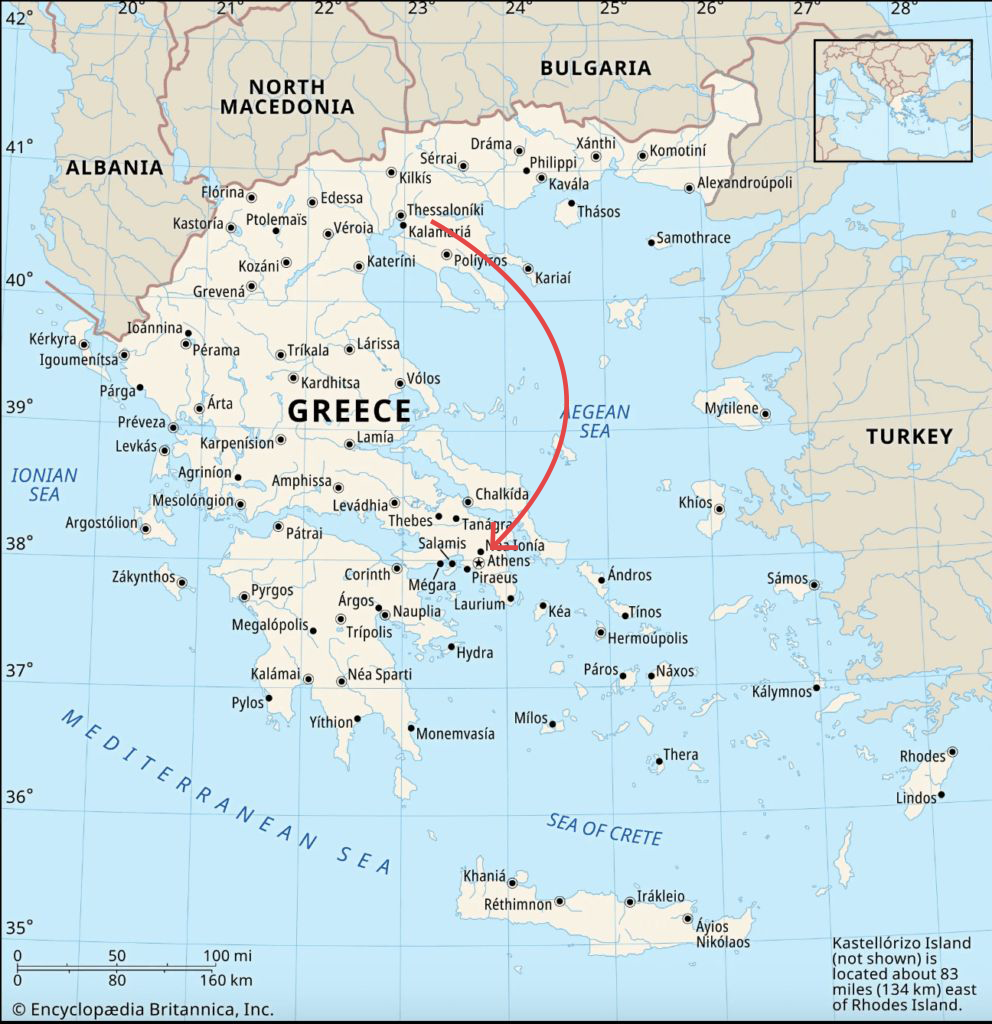
- Earning 1500€ in Athens is better compared to the 1200€ I made in Thessaloniki, let’s celebrate!
- Erm - have you thought about the difference in cost of living?
Also relates to: Reference Dependence · Anchoring and Adjustment · Loss Aversion