Context Dependence
choices
framing
Context dependence describes how the same option can be more or less attractive depending on what else is in the choice set. It can further be distinguished into:
Compromise Effect
The middle option in a set is preferred because it avoids the feeling of choosing an “extreme.”
NoteExample
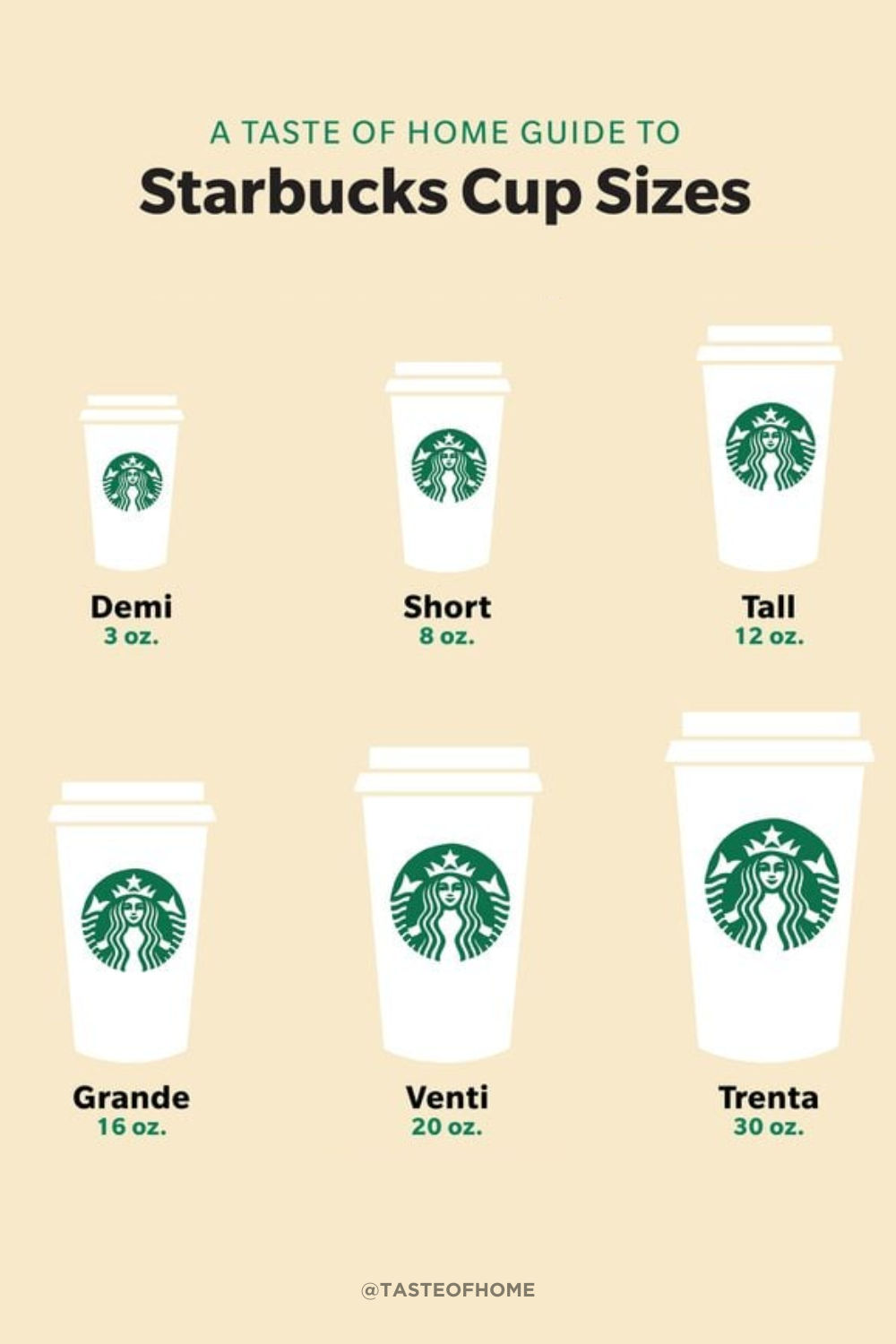
Coffee menu sizes
Adding a “Large” option (€7.00) to a café menu that previously had only Small (€3.00) and Medium (€4.50) makes the Medium feel like the sensible middle ground and increases its sales.
Attraction Effect
Adding a “dummy” option that no one would pick, to make another option more attractive.
Similarity Effect
Adding a similar option to a competitor’s offering splits the share (e.g. votes or market share) they would receive.
Also relates to: Frame Dependence · Anchoring and Adjustment · Reference Dependence · Narrow Framing