Fairness and Justice
Financial decisions can be affected by considerations of fairness and loyalty, resulting in either abstaining from or favoring particular choices.
This bias is also related to the money illusion behavioral effect, where we give importance to the nominal rather than actual value of objects (also see narrow-framing). For example, we consider fair a company that gives a raise, even if that is lower than inflation; on the contrary, we often perceive a pay cut as an act of unfairness or a breach of loyalty, even if that cut occurs during a period of deflation (e.g. financial crisis) where the employee’s actual purchasing power remains the same or even increases.
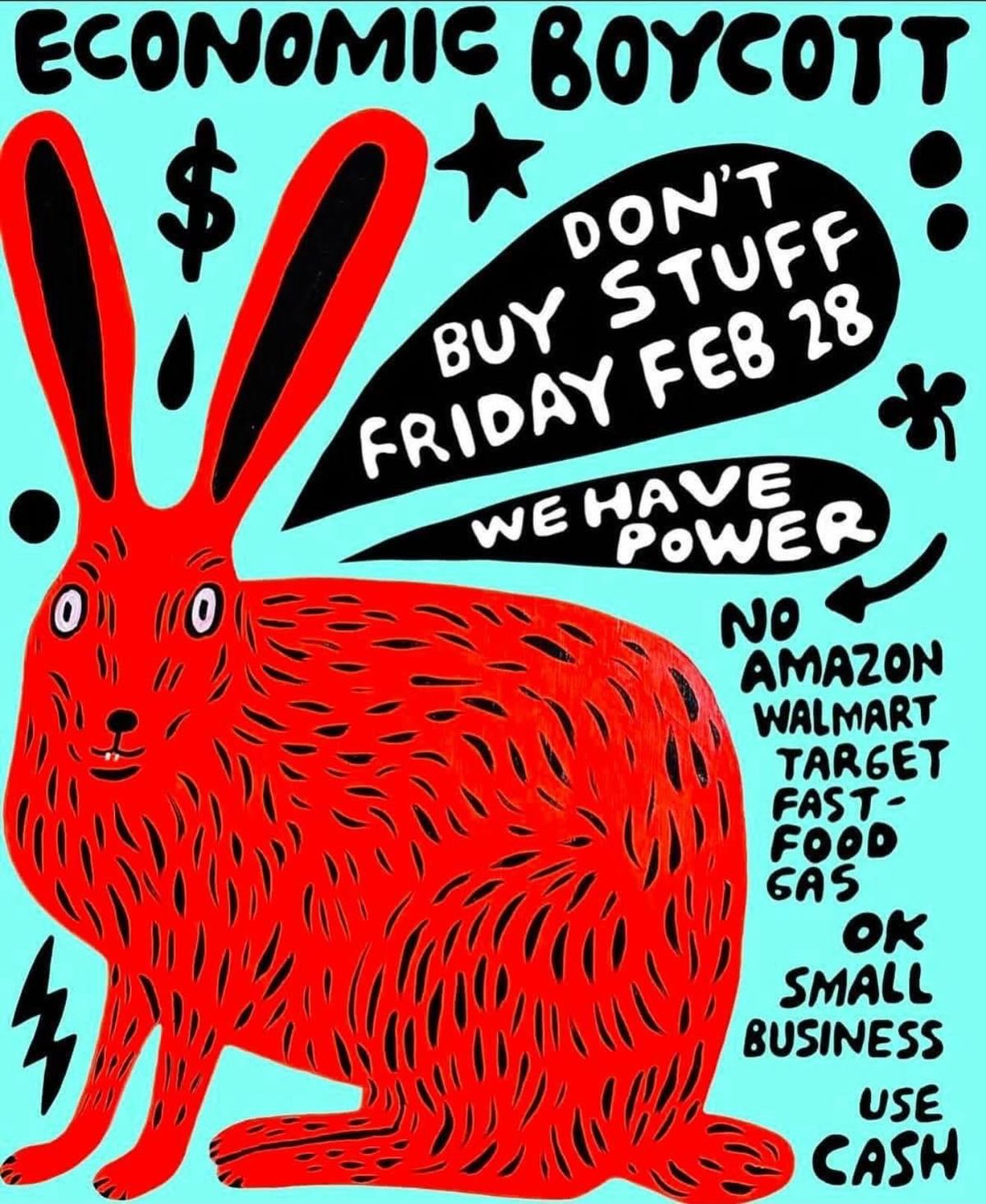
Boycotting
A typical example is that of boycotting a product from a company perceived as unethical, even if that means spending more on an alternative.
Also relates to: Narrow Framing · Communal Reinforcement · Context Dependence